
Central Heating & Underfloor
Heating in Witney, Oxford
& the Cotswolds.
System upgrades, radiator installs, cylinder swaps, chemical cleans and wet underfloor heating designed and installed to work as one system, not a boiler stuck on top of tired pipework.
Central Heating, explained properly.
Central heating covers everything downstream of the boiler: pipework, radiators, valves, controls, cylinders and, increasingly in Oxfordshire renovations, wet underfloor heating loops. We design, upgrade, clean and service the whole system.
Homeowners renovating, extending or futureproofing their heating; landlords rebalancing tired systems; and property owners planning a heat pump switch who need the emitters sized for lower flow temperatures.
When rooms won't warm evenly, when radiators are cold at the bottom, when you're extending or converting a loft, when you're preparing for a heat pump, or when your system is over 20 years old and full of magnetite sludge.
Modern heating design is a hydraulic and thermal calculation, not guesswork. Undersized emitters, poorly balanced systems, and blocked pipework waste gas and shorten boiler life. Done properly, the whole property warms faster on less fuel.
The cost of ignoring it.
The commonest heating complaint in Oxfordshire is 'the boiler is fine, but the house never warms evenly', and that is almost always a system problem, not a boiler problem.
Sludged pipework
Magnetite build-up throttles flow, cooks pumps, blocks heat exchangers and can void a new boiler's warranty inside a year.
Cold radiators upstairs
Poor balancing and airlocks starve upper-floor rads. Adding more inhibitor doesn't fix it, proper commissioning does.
Under-sized emitters
Radiators sized for an old 80°C system won't keep a room warm on a heat pump running at 45°C. Undersized emitters trap you on gas forever.
High running costs
A badly balanced system runs the pump on max, the boiler at high fire, and still delivers uneven heat. You pay for the inefficiency every month.
Common mistakes we see
- •Adding a new boiler onto a system that's never been flushed
- •Replacing radiators like-for-like without recalculating room heat loss
- •Skipping the magnetic filter, the single cheapest lifetime protection
- •Ignoring cold-at-bottom radiators (a classic sludge warning sign)
- •Fitting underfloor heating without a manifold-level balancing plan
How we run the job.
- 01
Heat loss survey
Room-by-room heat loss calc, the basis for correctly sized radiators, cylinder, UFH loops and pipework.
- 02
Design & fixed-price quote
System schematic, emitter sizing, control strategy, cylinder sizing where relevant. Priced in writing.
- 03
Install & upgrade
New pipework where needed, new emitters, cylinder, controls, manifolds for UFH. Existing kit preserved where sound.
- 04
Chemical clean & fill
Full flush, magnetic filter, Fernox F1 inhibitor. Heavily contaminated systems get an extended clean.
- 05
Commission & balance
Every radiator balanced with lockshields, TRVs set, controls paired, UFH loop flow rates set at the manifold. Handover documented.
What you actually get.
Even, comfortable heat
Every room reaches setpoint at roughly the same rate, no more running the whole house hot to warm one bedroom.
Lower gas usage
Correct sizing and balancing lets the boiler modulate down. Modulation is where the efficiency lives.
Longer boiler life
Clean, balanced systems don't destroy pumps, diverters or heat exchangers. Your investment lasts.
Heat-pump-ready design
We can design emitters and pipework now that will work later on a low-temperature heat pump, no rip-and-replace.
Quiet operation
Correctly sized pumps and de-aerated systems run silent. No kettling, no gurgling, no banging pipes.
Documented handover
Balance settings, control layout and system schematic left with you, not in an engineer's head.
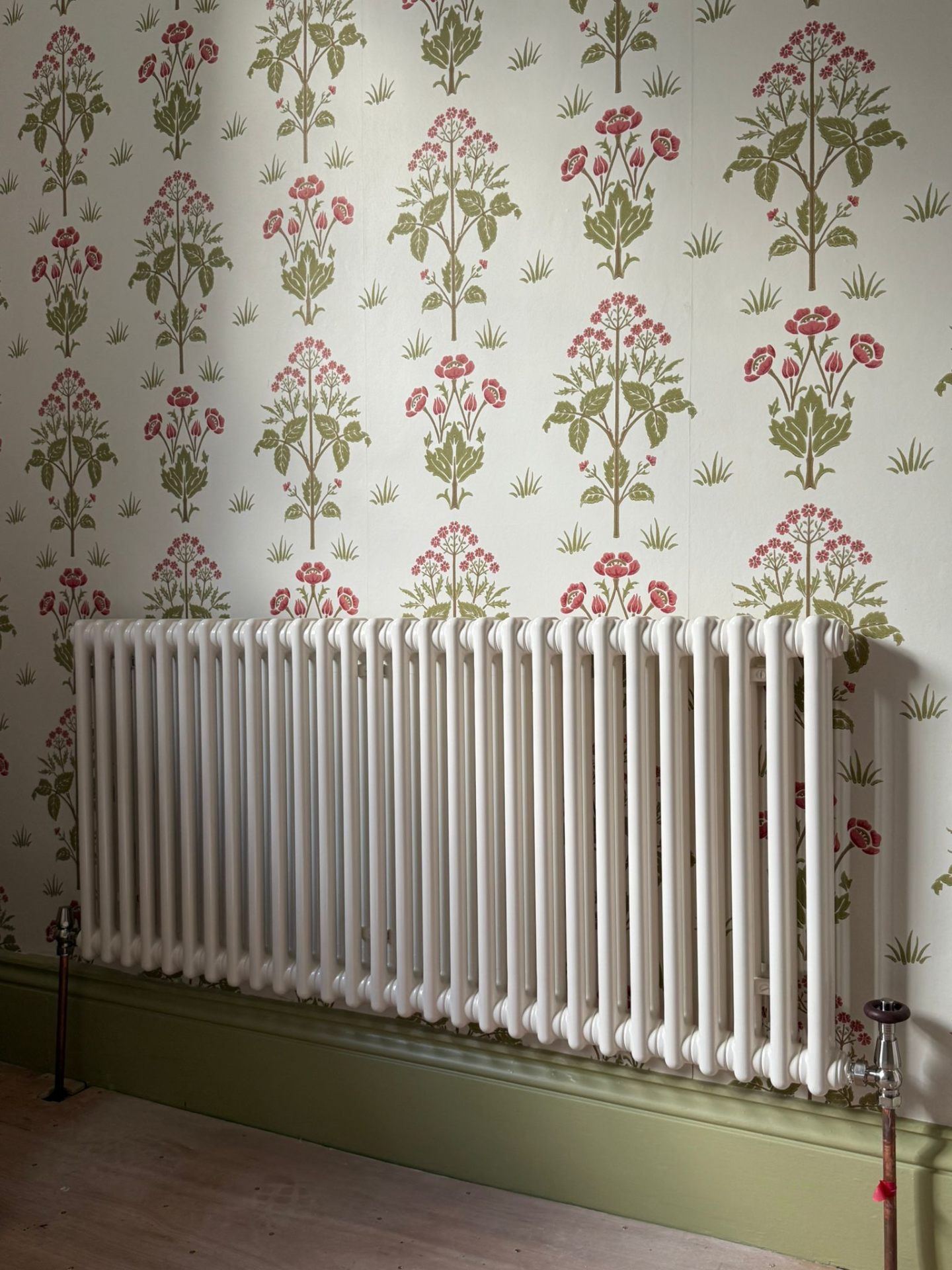
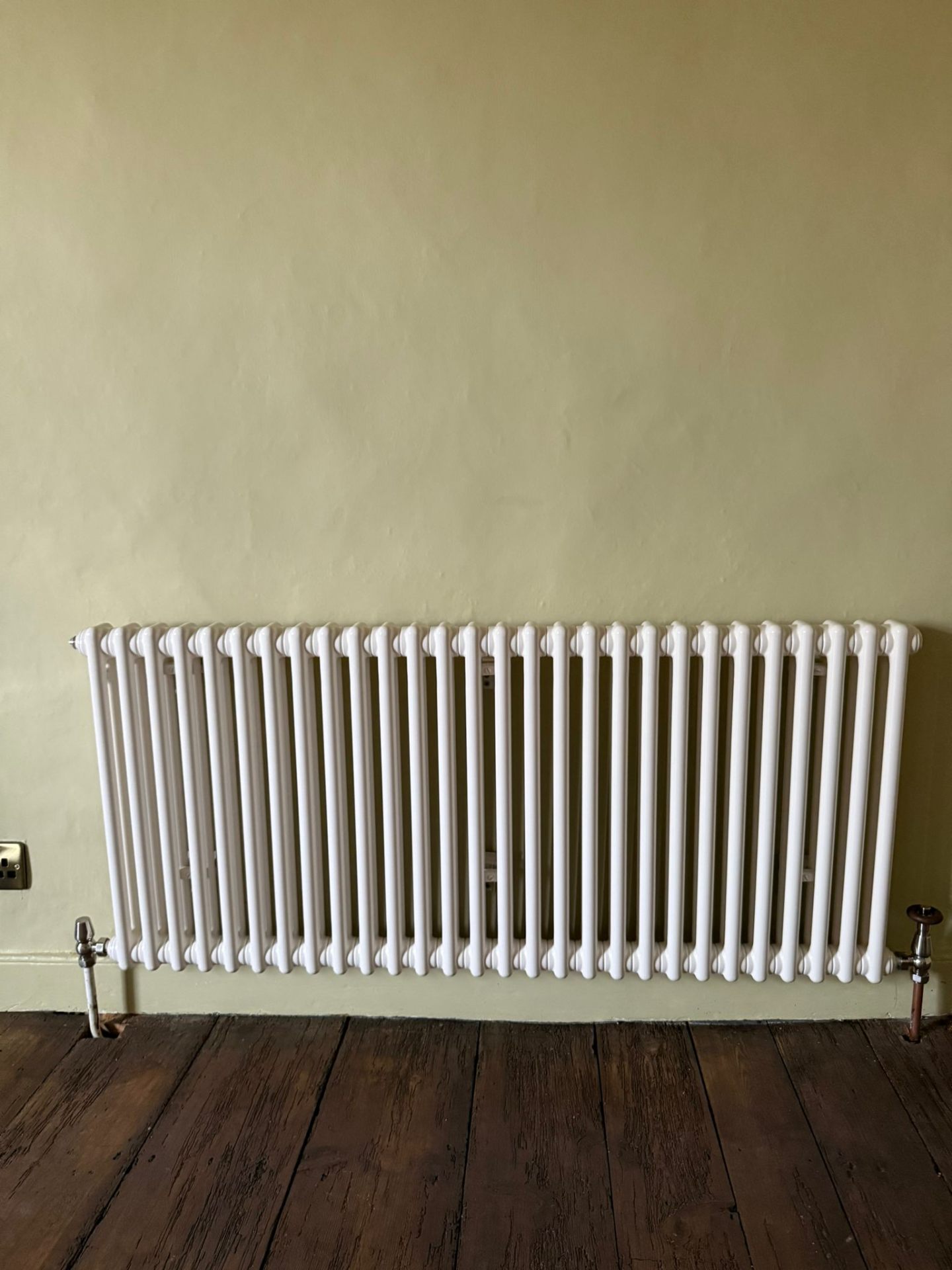
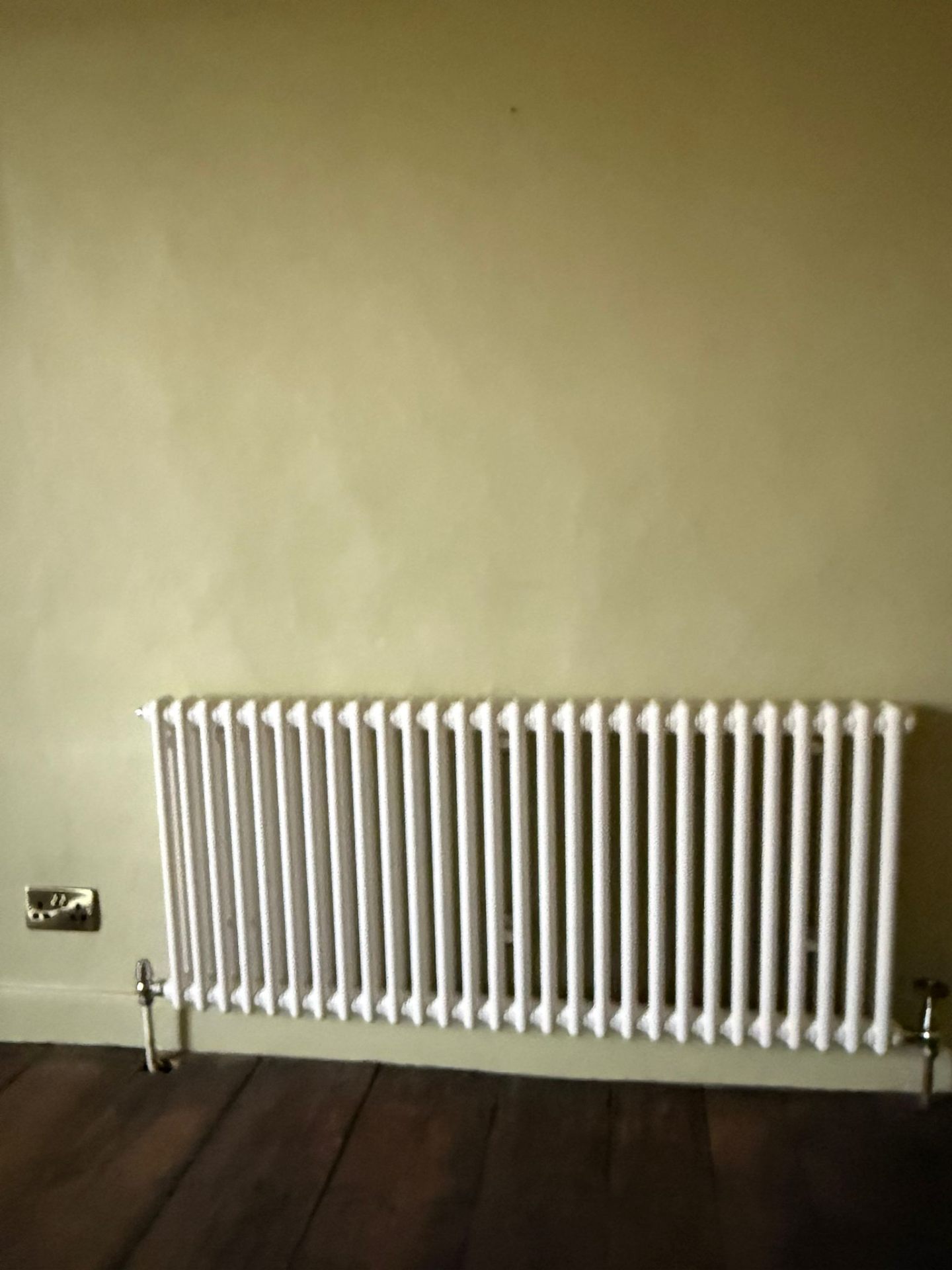
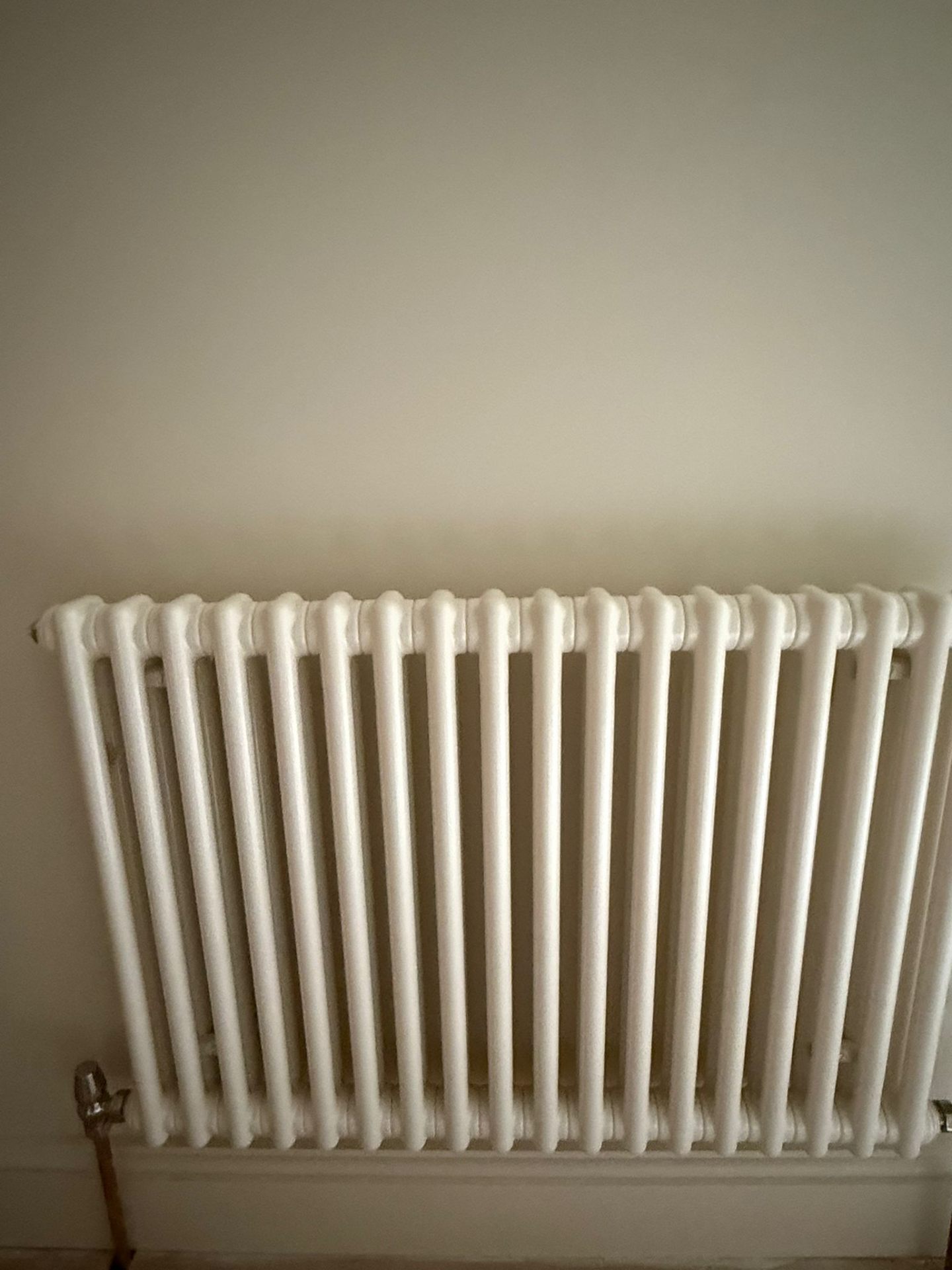
Real central heating jobs, real Oxfordshire homes.
Depth, not filler.
Central heating design is where most Oxfordshire homes lose the most money, and where a considered upgrade pays back fastest.
Radiators
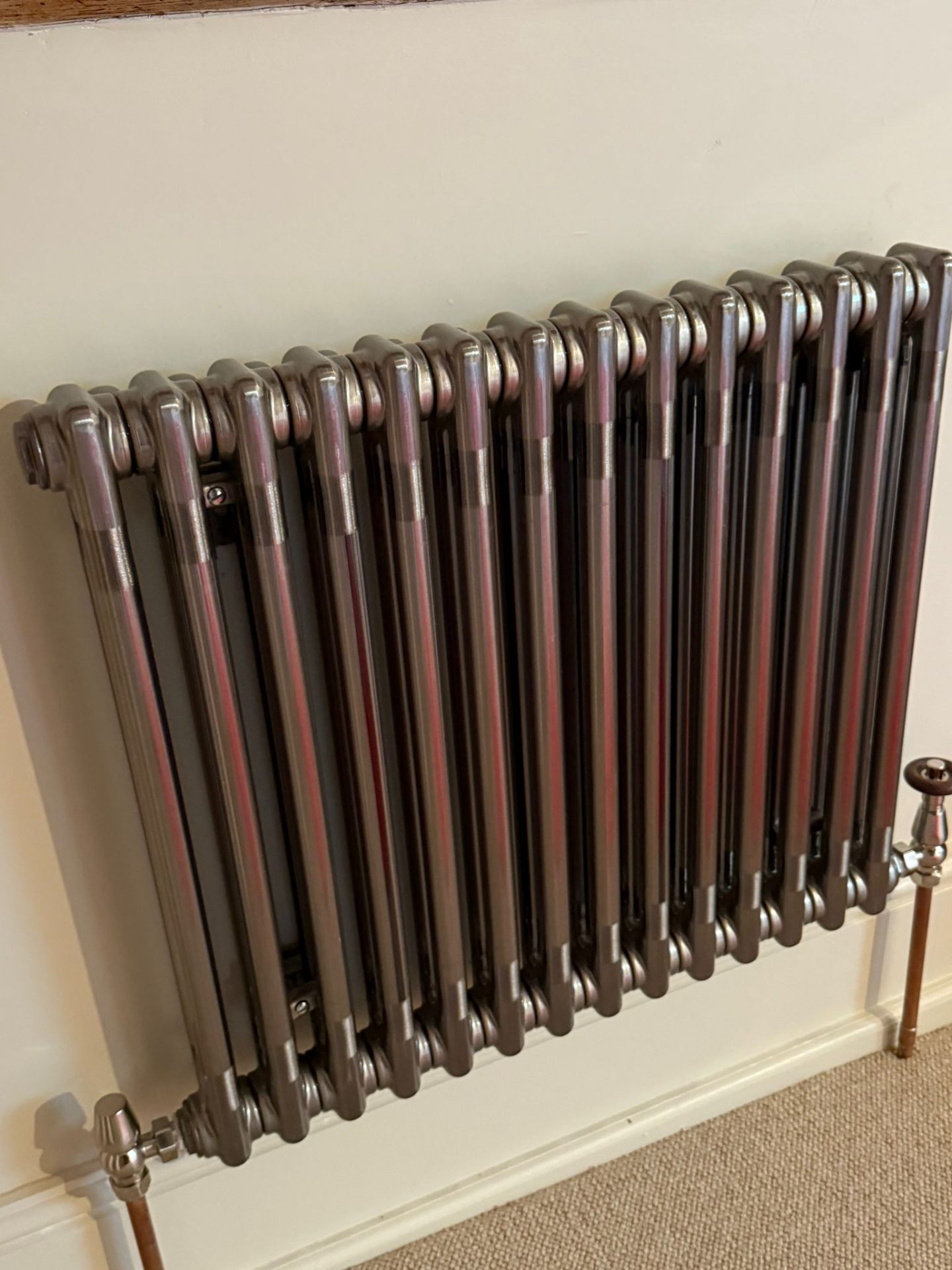
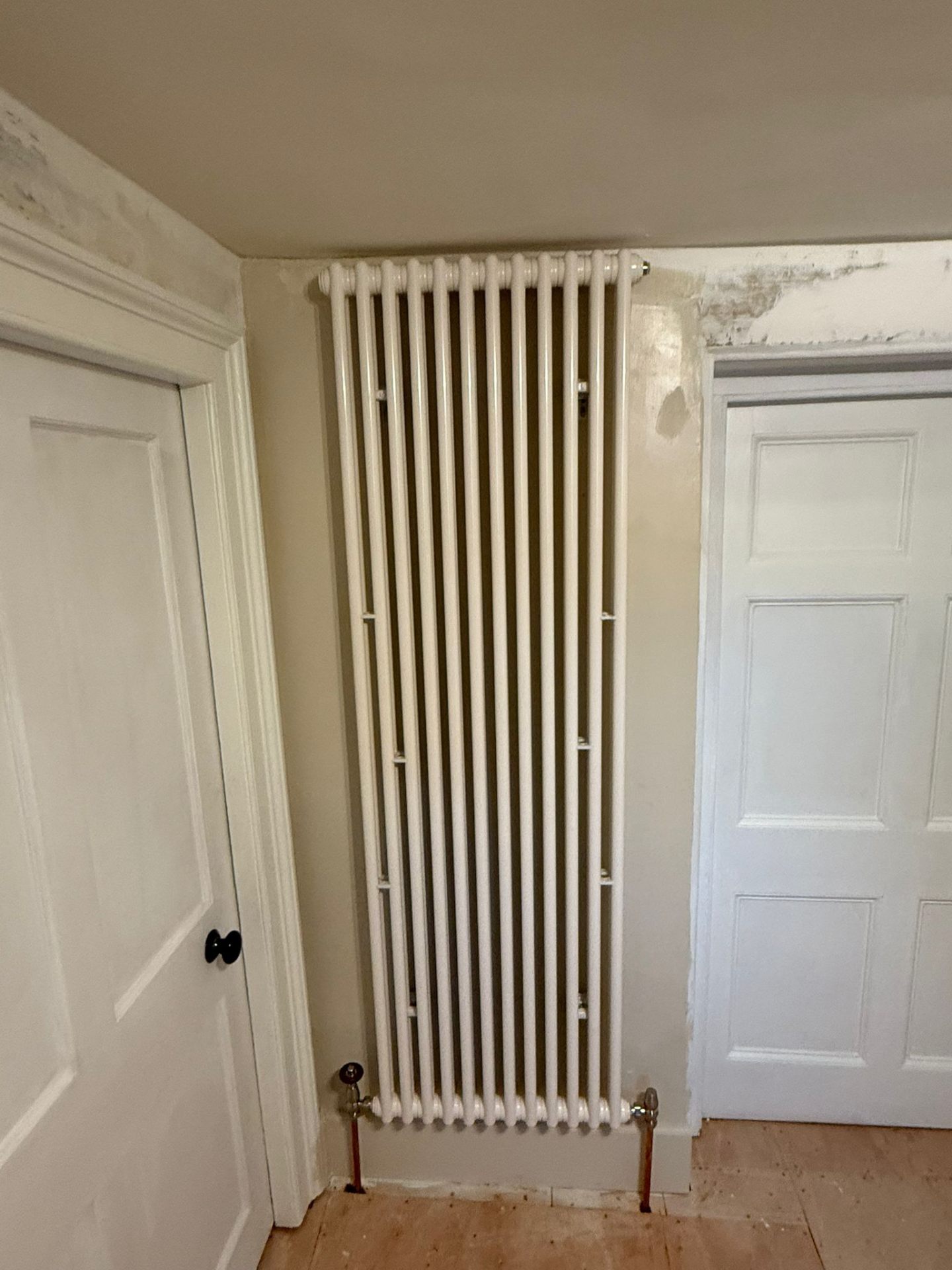
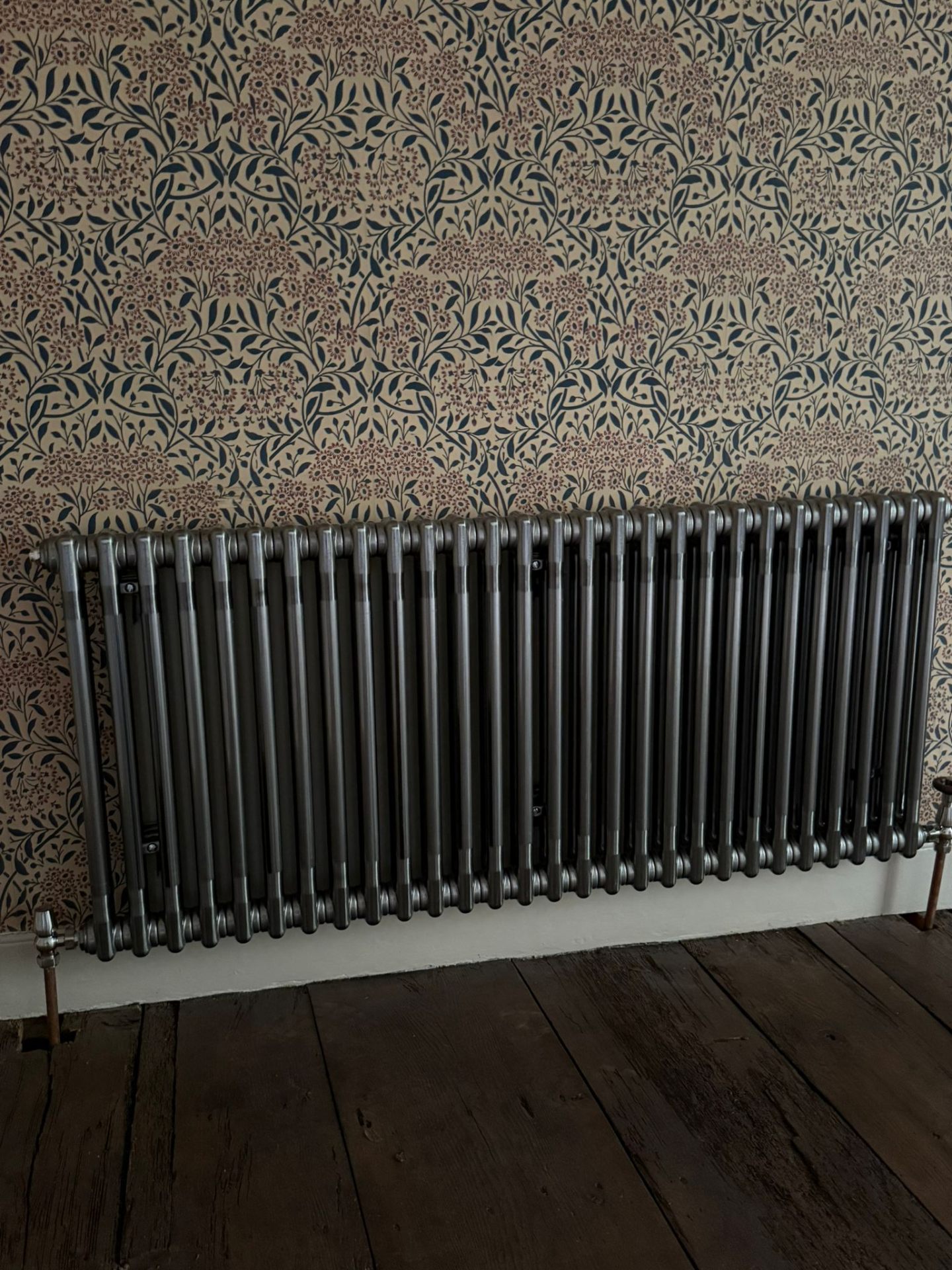
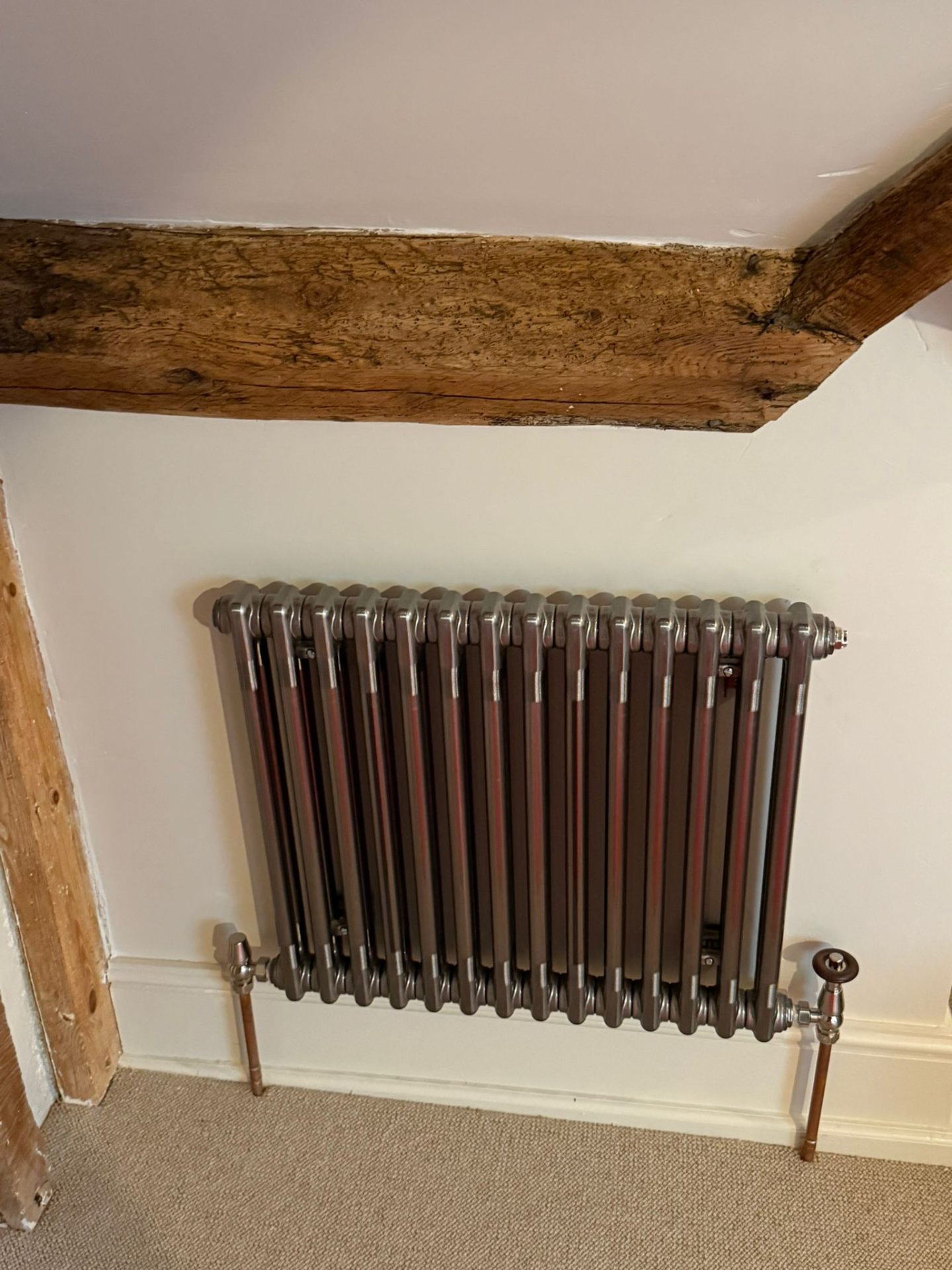
Type 22 double-panel double-convector for most rooms, Type 21 or 11 in tight spaces, low-surface-temperature for schools/care, vertical designer rads for hallways. Sized to room heat loss, not eyeballed.
Pipework
22mm and 15mm copper for retrofits, 22mm/16mm PEX-Al-PEX in screed for UFH, correct velocity for silent operation.
Controls
Room stat + TRVs at minimum; ideally weather compensation on modern Vaillant/Worcester boilers, and multi-zone control on larger homes.
Cylinders
Unvented stainless cylinders (Megaflo, Telford Tempest) for high-flow multi-bathroom homes; vented copper where mains pressure is poor; twin-coil for future solar or heat pump integration.
Underfloor heating
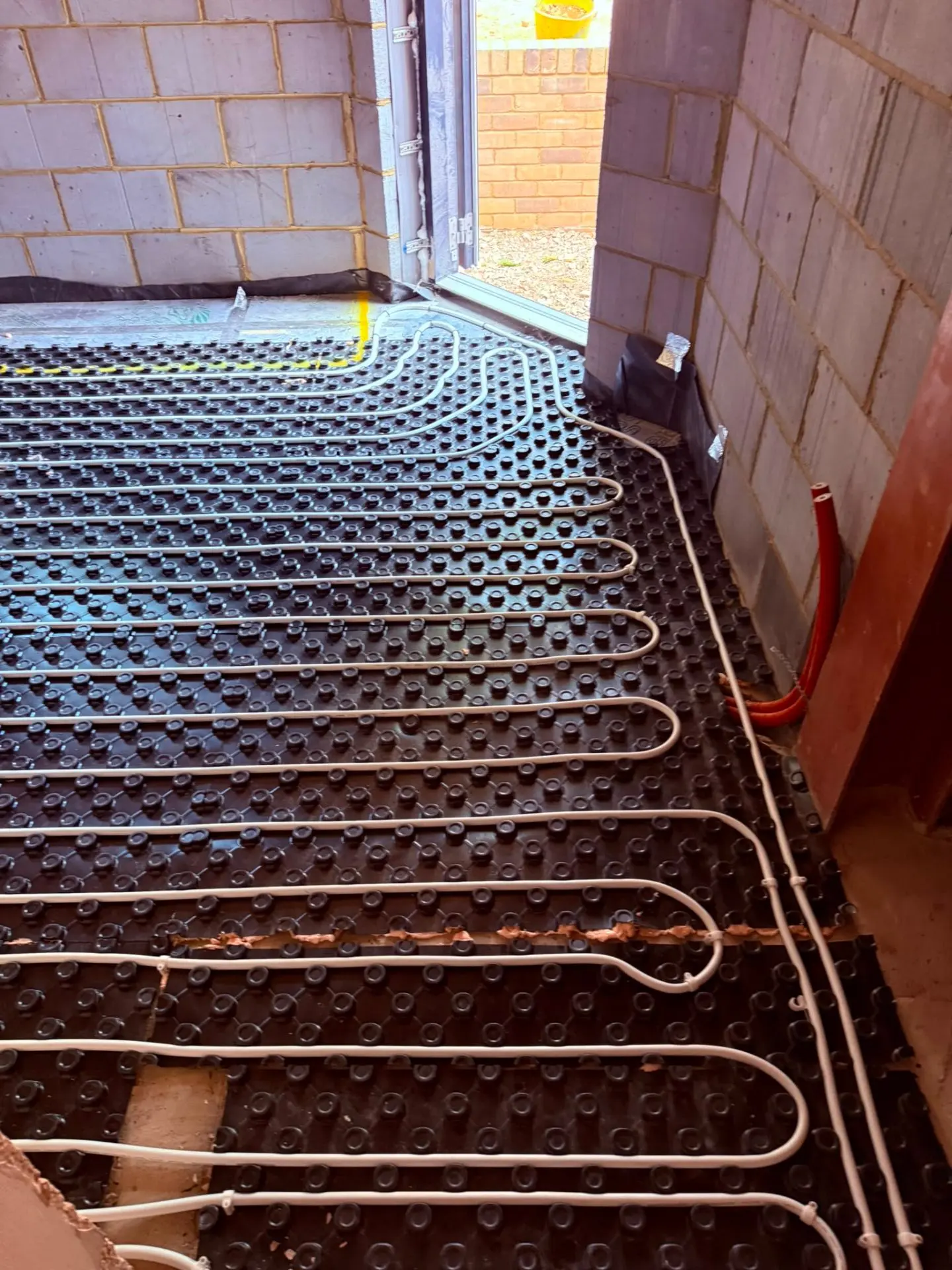
Wet UFH in screed for new builds and extensions, low-profile UFH systems for retrofit on suspended floors, thermostatic manifolds with actuators tied into zone controls.
System cleaning & chemical flushes
Chemical cleans and magnacleanse for heavily sludged systems and pre-boiler-replacement prep. Adey MagnaClean or Fernox TF1 filter fitted afterwards.
Heat-pump readiness
If a heat pump is on your 5-year plan, we oversize emitters now, use larger pipework and pick a cylinder with a heat-pump-ready coil, so the future swap is straightforward.
Residential vs. commercial / new build
For developers and commercial jobs we work from architect drawings, size to Part L, and coordinate with electricians and floor screeders on programme. See our New Build page.
Straight answers.
How much does a heating system upgrade cost?
Highly variable, a radiator + valve swap-round starts a few hundred pounds; a full-house system upgrade with new boiler, cylinder, controls and UFH runs into five figures. Every quote is fixed price after a proper survey.
Does my system need cleaning?
Not always. If your system is under 10 years old and has a filter, a standard chemical clean is often enough. Heavily sludged older systems need a deeper clean, we'll tell you honestly which applies.
Can I add underfloor heating to an existing home?
Yes, low-profile retrofit UFH systems fit on top of suspended floors with minimal build-up. For extensions, wet UFH in screed is usually the right answer.
Will underfloor heating work with my boiler?
Yes, with a manifold, blending valve and correct controls to drop the flow temperature. We size it as part of the design.
How long does a system upgrade take?
A rad-and-valve rebalance is a day. A full-system + boiler upgrade is typically 3–5 days. UFH installs depend on floor area and construction; we programme it honestly.
Do you handle listed / stone properties?
Yes. We route pipework to preserve elevations, use compatible finishes, and can work with heritage consultants on listed jobs.
Will this work with a future heat pump?
If you tell us that's the plan, we'll design the system for it: oversized emitters, adequate pipework, heat-pump-ready cylinder. That saves the whole cost of a rip-out later.
Do you offer finance?
Yes, Klarna is available for larger heating projects. We'll walk you through options when we quote.
Related services
All servicesNew A-rated boilers installed by Vaillant and Worcester Bosch approved engineers.
Learn moreAir source and ground source heat pumps designed and installed by an MCS certified team, the certification that unlocks government grants and long-term manufacturer warranties.
Learn moreRadiator swap-outs, upgrades to larger emitters, designer verticals, TRV installations, lockshield balancing and cold-radiator diagnostics, done properly so the whole system works better, not just the new rad.
Learn moreGet a fixed-price quote for central heating in Witney, Oxford.
Free, no-obligation quote in writing. Gas Safe, MCS certified where relevant, fully insured to £5m. Local team, real engineers, no call centres.